
What VET teachers and students can learn from the Finnish Career Guidance system
Career Guidance International study visit in Espoo
How can vocational education help young people make informed decisions about their future? How can schools support students not only in learning a profession, but also in understanding themselves, their strengths, and their opportunities?
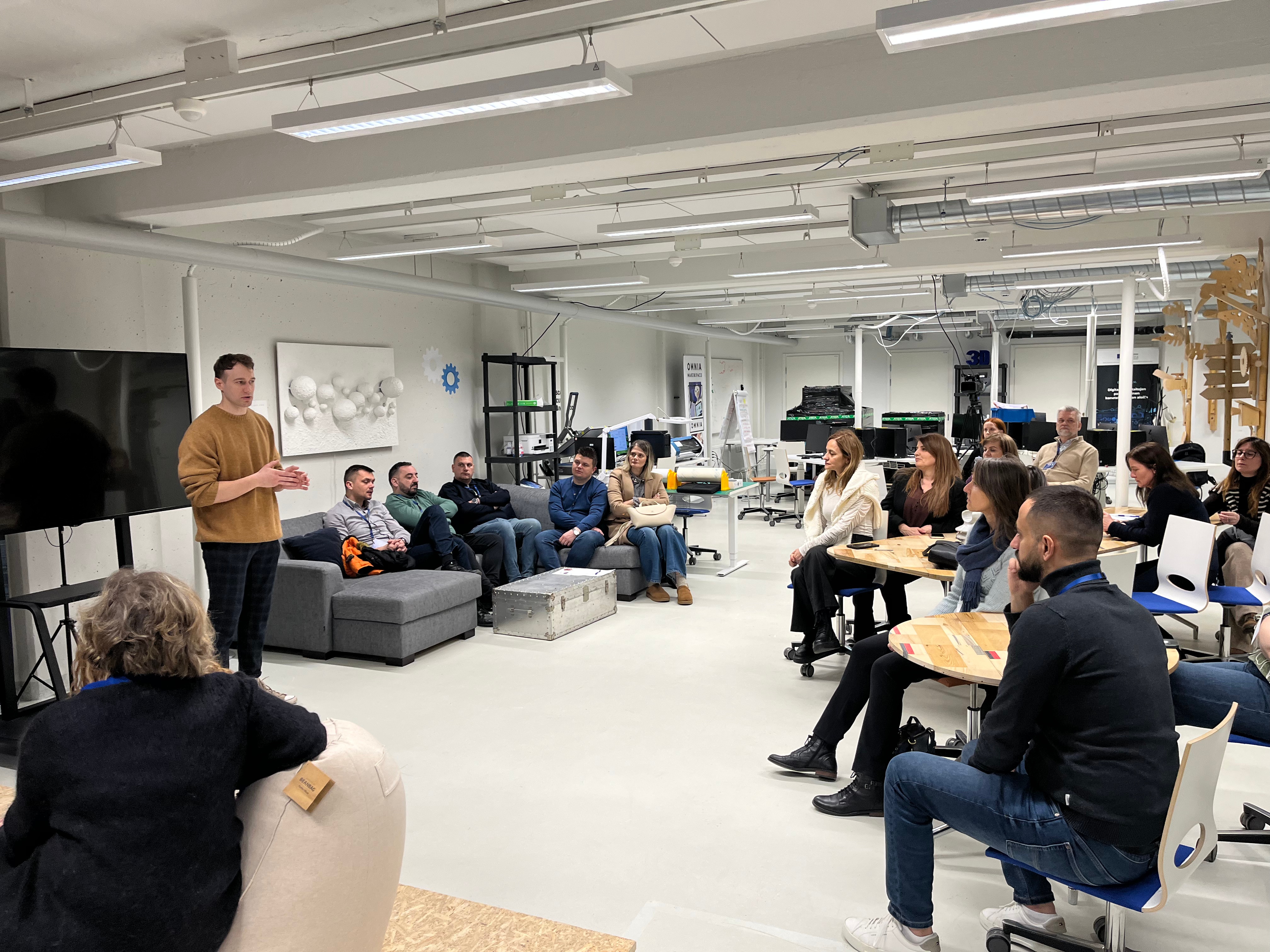
These questions were at the centre of a study visit organised in Espoo, hosted by Omnia Education Partnerships (OEP). Teachers, trainers and education professionals had the opportunity to explore how Finland has built a strong system of career guidance that supports learners throughout their lives.
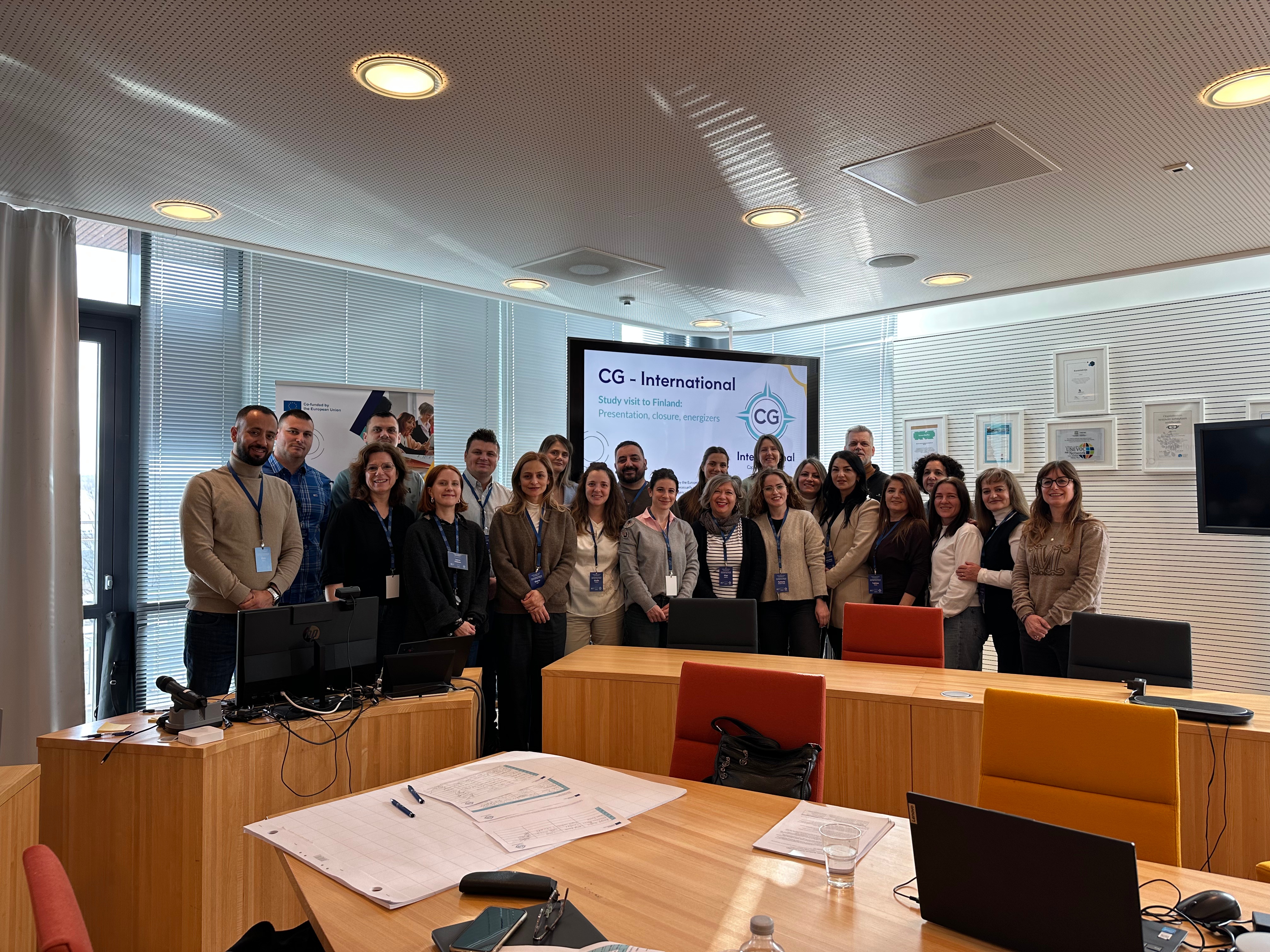
This visit is part of a wider European exchange. A second study visit will take place in the Netherlands in June, where participants will continue exploring different approaches to career guidance in VET across Europe.
One of the most striking aspects of the Finnish model is that career guidance is considered a right for every citizen.
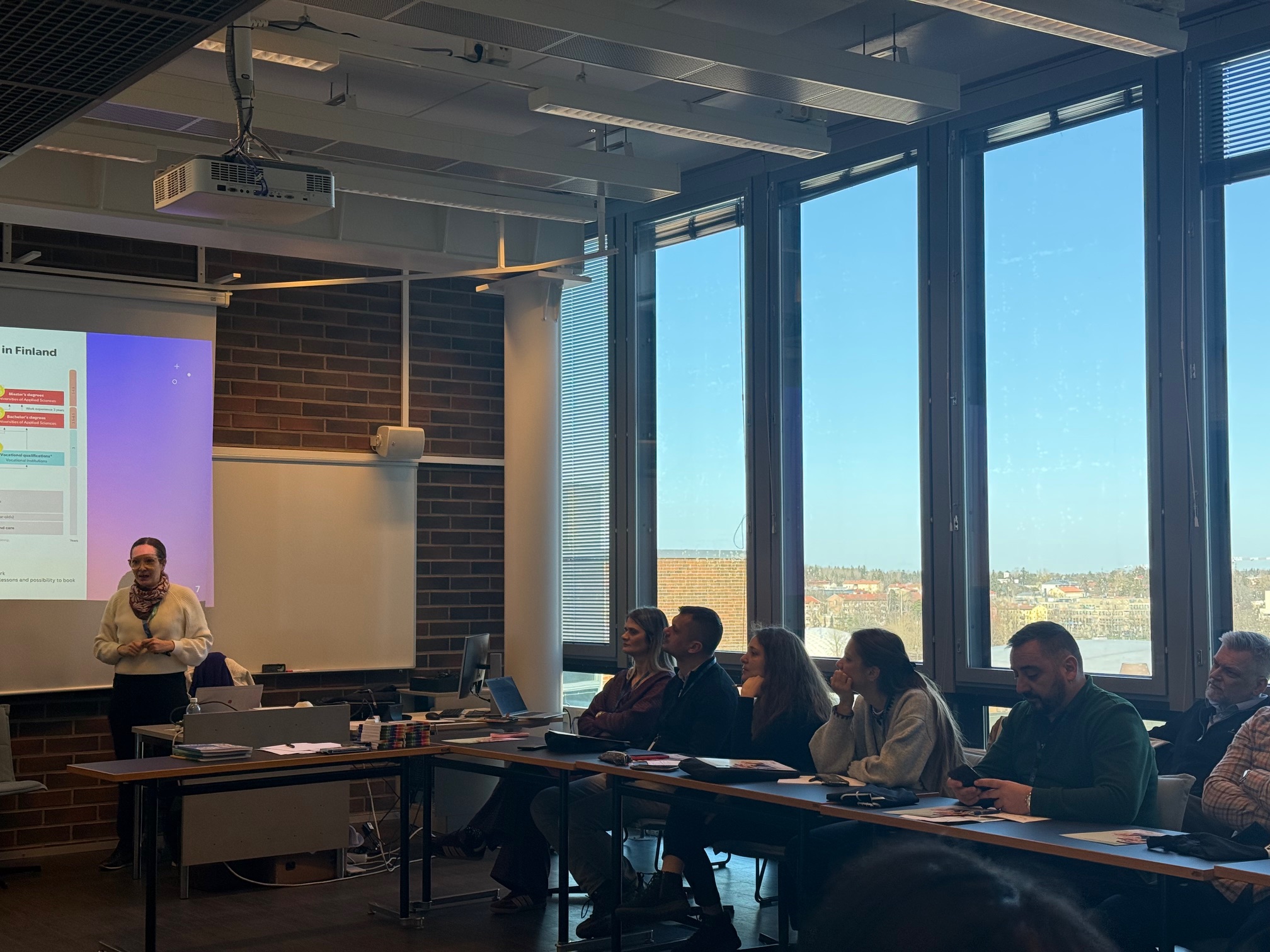
The main goals of the national guidance system are:
- Ensuring equal access to guidance services
- Supporting transitions from school to work
- Strengthening learner motivation and well-being
- Promoting social mobility and equal opportunities
A key reform in 2021 extended compulsory education to 18 years, reinforcing support systems and ensuring that young people remain in education or training.
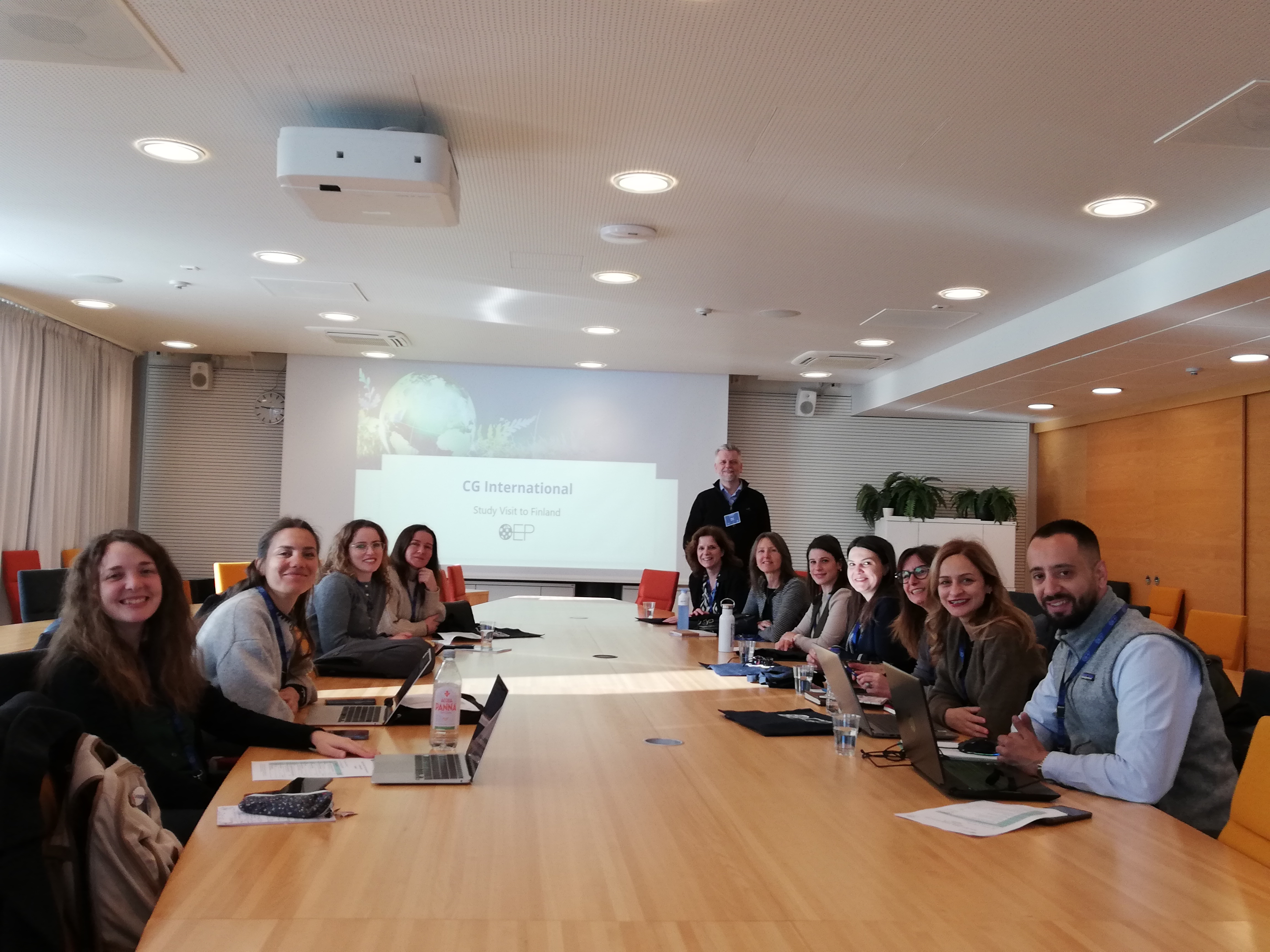
In Finland, career guidance does not start when students are about to graduate. It begins much earlier.
Career education has been part of the national curriculum since the 1970s and is treated as a core subject in lower secondary school. Students complete 76 compulsory hours of career education between grades 7 and 9, learning how to understand their strengths, explore opportunities and make informed decisions.
Moreover, Finnish schools place strong emphasis on connecting education with the world of work. Students participate in work placements during grade 9 and explore entrepreneurship through initiatives such as Yrityskylä, where they practice job applications, learn about companies and visit a simulated business environment.
Another example is TEPPO, a programme where students spend time working in a company that interests them, gaining first-hand experience of a profession.
Students can receive guidance:
- at school through individual and group counselling
- online through digital tools and career information platforms
- in workplaces through apprenticeships and vocational training
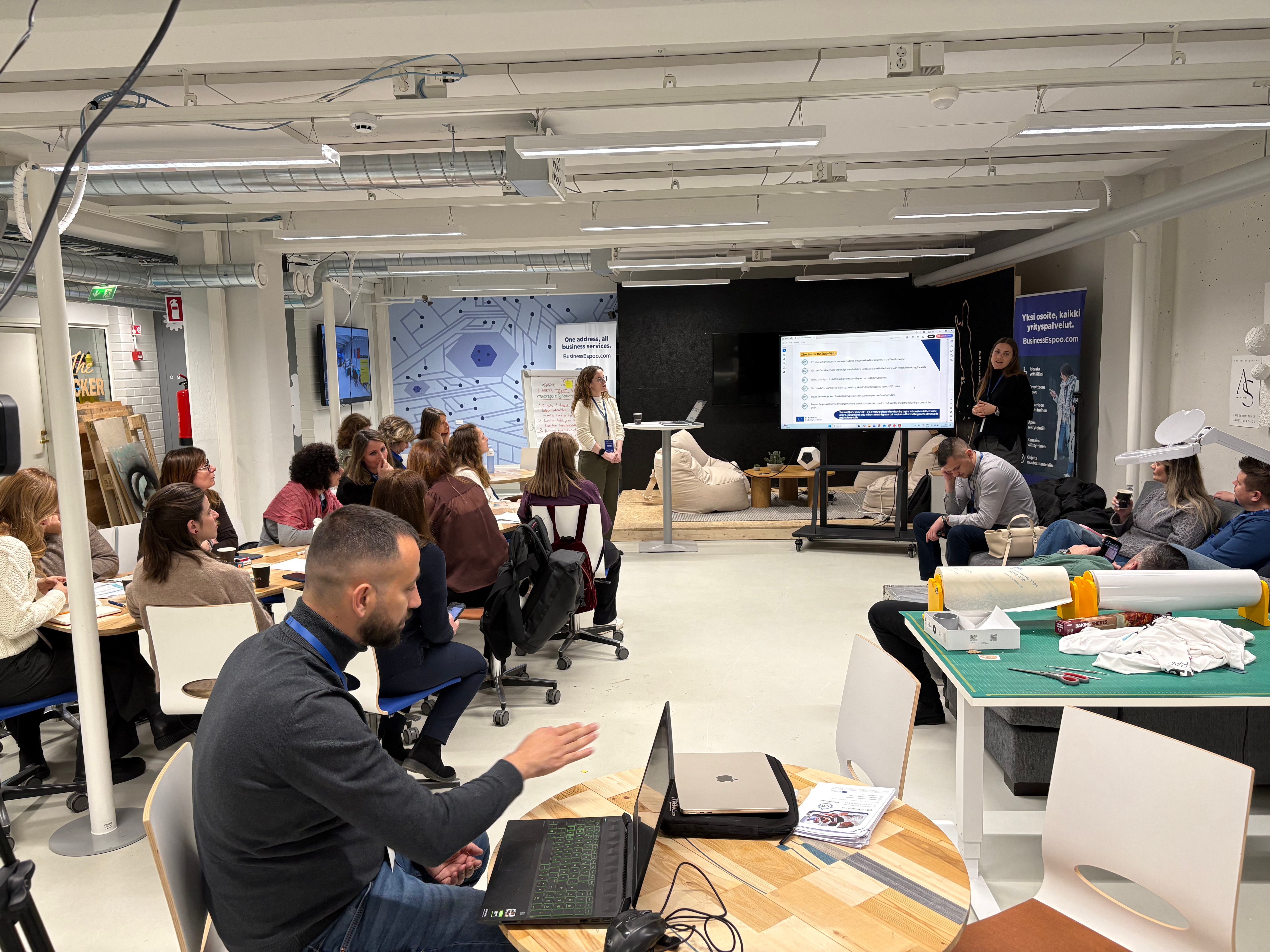
During the study visit, participants also explored how guidance works in practice at Omnia Vocational Education and Training Consortium. Each student develops a Personal Competence Development Plan (PCDP) that outlines their learning path and career goals.
The PCDP includes:
- recognition of previous learning
- planning of workplace learning periods
- career planning and future goals
The length of studies can vary depending on the individual plan, allowing students to progress at their own pace.
Career counsellors also support learners before they even start their studies, helping them explore options, understand qualification pathways and plan their future.
What can VET schools in Europe learn?
For teachers and students in VET schools across Europe, the Finnish example highlights several important lessons:
- Career guidance should start early and continue throughout education
- Students need time and space to reflect on their strengths and goals
- Schools benefit from strong cooperation with employers
- Personal learning plans can support flexible pathways
- Guidance should support not only careers, but also well-being and motivation
Finland shows that when guidance is embedded across the education system, it becomes a powerful tool for helping young people navigate their future.
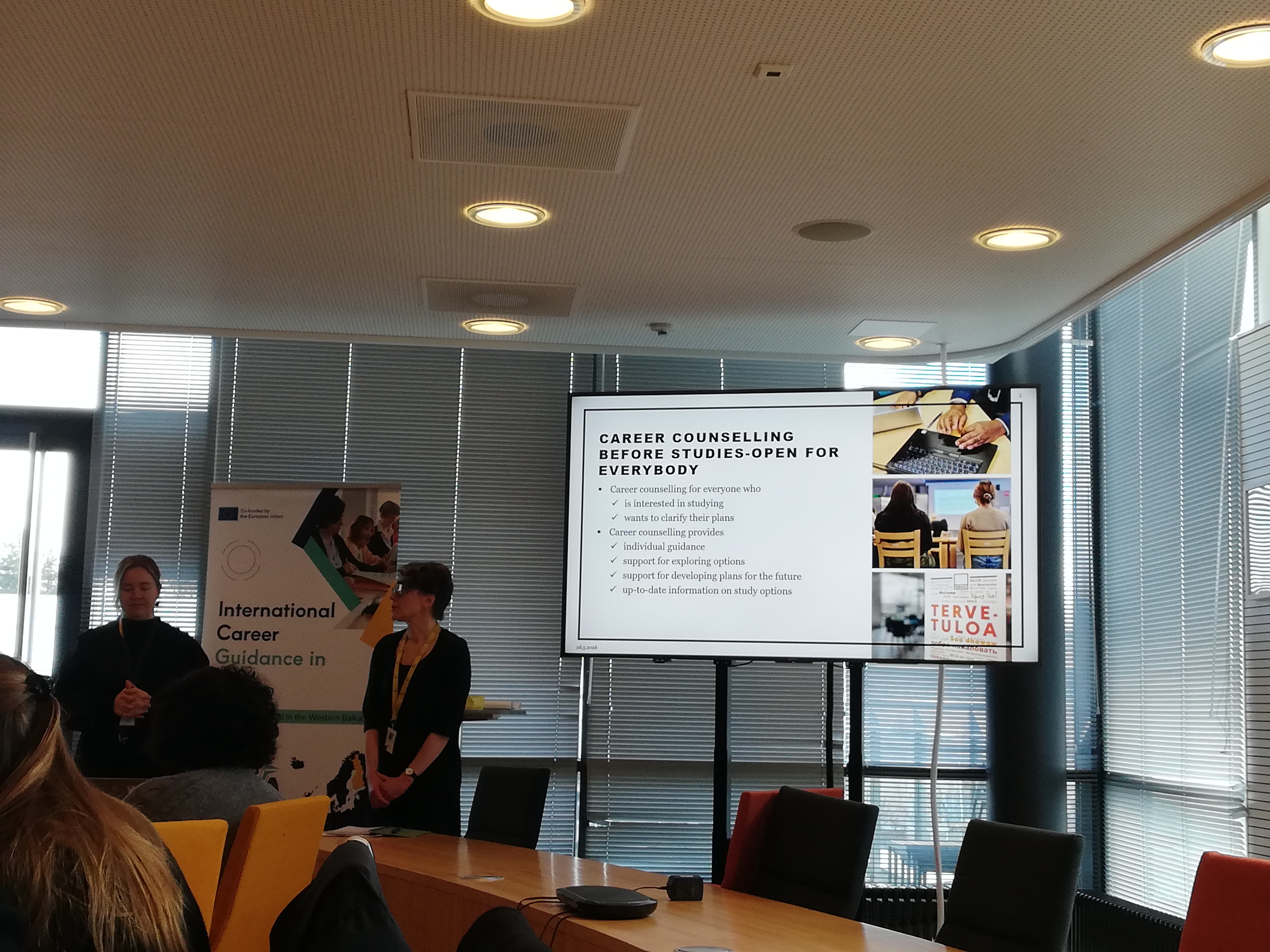
This study visit in Espoo provided valuable inspiration for educators and students interested in strengthening career guidance in vocational education.
The learning journey will continue with a second study visit in the Netherlands, where participants will explore another national approach to supporting learners in their educational and professional pathways.
By sharing experiences across countries, European VET communities can continue learning from each other and building stronger guidance systems for the future.
Categorie


